
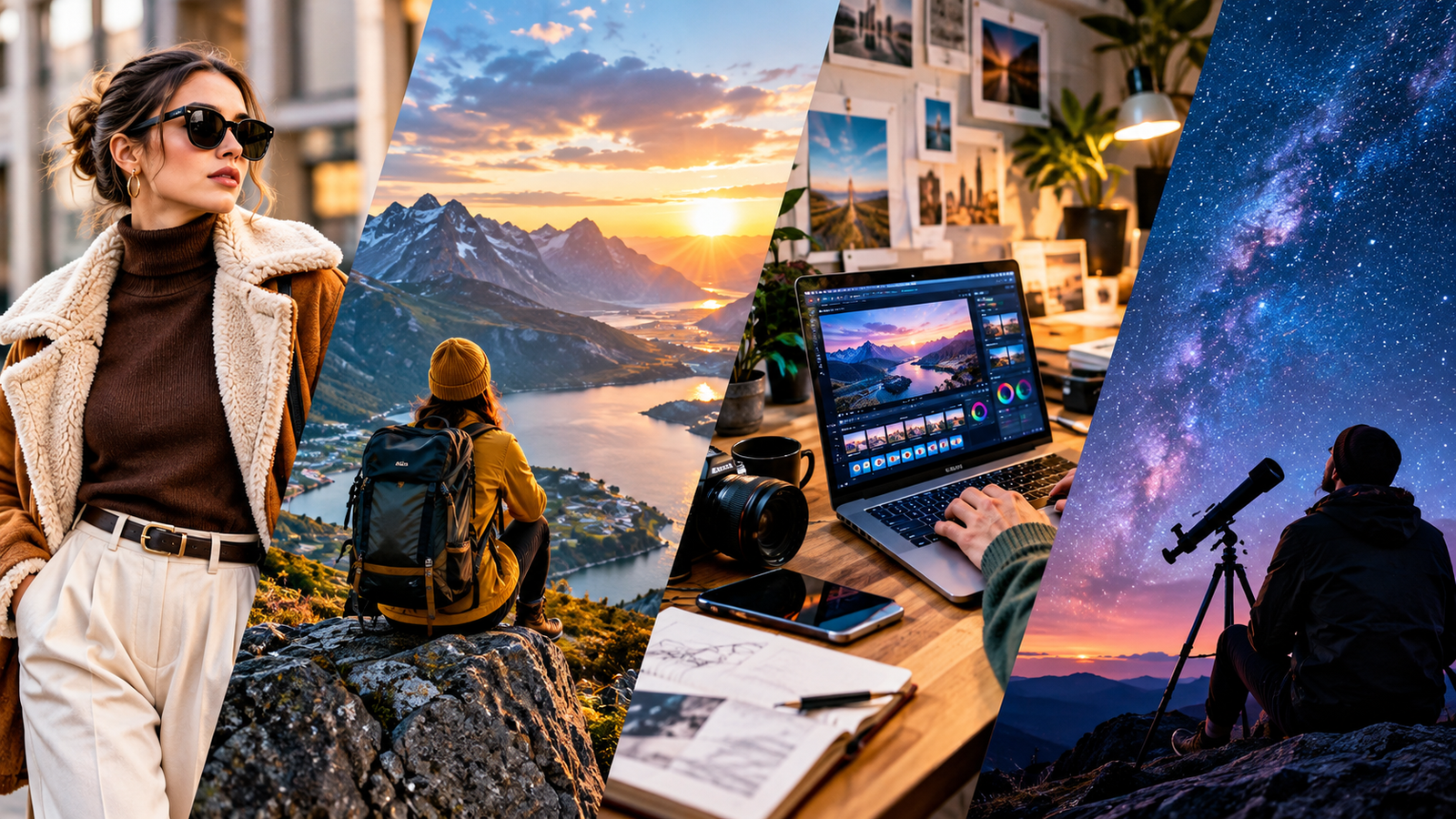
The biggest trends of 2026 are changing how people dress, travel, shop, work, and spend their free time. From personal technology and sustainable fashion to experience-focused travel and smarter everyday living, new ideas are influencing people around the world.
But which trends are actually worth following? And which ones could continue beyond 2026 instead of disappearing after a few weeks on social media?
In this guide, we explore 15 important global trends to watch in 2026, why they matter, how they are influencing everyday life, and what could make them relevant in the years ahead.
Whether you live in the United States, the United Kingdom, Canada, Australia, or somewhere else, this guide will help you understand the trends shaping the year.
What Are the Biggest Trends in 2026?
Some of the most important trends to watch in 2026 include:
- Smarter everyday technology: Digital tools are becoming more integrated into work, shopping, and daily routines.
- Personal style and vintage fashion: People are exploring individual styles, secondhand clothing, and distinctive looks.
- Experience-focused travel: Travellers are looking for meaningful experiences rather than simply visiting popular destinations.
- Health and well-being: Wellness, sleep, fitness, and healthier daily habits remain important lifestyle interests.
- Sustainable living: Reusing products, reducing waste, and buying more thoughtfully are gaining attention.
- Digital creativity: Creators are finding new ways to produce videos, photography, designs, and online content.
These are broad trend areas, not a definitive ranking of the most-searched topics. Their popularity varies by country, age group, and platform.
1. Personalised Technology Is Becoming Part of Everyday Life
Technology continues to influence how people organise their lives, learn new skills, manage work, and discover products.
In 2026, one important direction is personalisation. Digital services increasingly aim to adapt recommendations, search results, learning experiences, and shopping suggestions to individual needs.
For example, a student might use a digital assistant to organise study notes, while a small business owner might use automation to manage routine tasks.
The biggest opportunity is not simply having more technology. It is using tools that genuinely save time or make everyday activities easier.
Why it matters: Personalised technology could remain relevant as digital services become more integrated into everyday routines.
2. Individual Fashion Styles Are Taking Centre Stage
Fashion in 2026 is not just about following one universal look. Many style enthusiasts are experimenting with vintage pieces, statement accessories, comfortable basics, and combinations that reflect their personalities.
Rather than replacing an entire wardrobe whenever a new trend appears, shoppers can build distinctive outfits using a few carefully selected pieces.
Some style directions worth watching include:
- Western-inspired clothing and accessories
- Vintage denim and retro silhouettes
- Relaxed tailoring and comfortable everyday outfits
- Layered jewellery and distinctive accessories
- Secondhand and pre-loved fashion
For autumn and winter, layering, textured fabrics, boots, and versatile outerwear offer plenty of opportunities to experiment.
How to try it: Start with clothes you already own, then add one or two pieces that complement your personal style.
Related reading: Check out our article on the Winter Western aesthetic and pieces to try this season. Replace this placeholder homepage link with the published article’s exact URL before publishing.
3. Secondhand Fashion and Reuse Are Worth Watching
Buying pre-owned clothing, repairing favourite items, and reselling products can offer alternatives to constantly purchasing new things.
Secondhand fashion appeals to different shoppers for different reasons. Some want distinctive vintage finds, others want to save money, and many enjoy giving useful items a longer life.
This trend also connects with a broader change in consumer behaviour: people are paying closer attention to value and making more deliberate purchasing decisions.
However, secondhand shopping is not automatically cheaper. Prices, condition, authenticity, shipping, and return policies all matter.
Why it could last: Reuse offers practical benefits beyond fashion, including affordability, product longevity, and reduced waste when it replaces unnecessary new purchases.
4. Wellness Is Expanding Beyond Fitness
Wellness is about more than going to the gym or following a strict diet. People are also interested in sleep routines, stress management, enjoyable physical activities, and creating healthier daily habits.
Popular areas to explore include:
- Walking and outdoor activities
- Sleep-friendly evening routines
- Home workouts and strength training
- Mindfulness and relaxation
- Balanced meals and everyday nutrition
- Taking breaks from constant notifications
The important distinction is between a sustainable habit and a short-lived wellness challenge.
You do not need expensive equipment or a complicated routine to begin. Small changes that fit your schedule are often easier to maintain.
5. Experience-Focused Travel Is Attracting Attention
Travel is increasingly discussed in terms of what people experience, not only where they go.
Instead of rushing through a long list of tourist attractions, some travellers prefer local food, cultural events, nature, small towns, and activities connected to their interests.
Examples include:
- Stargazing in areas with dark skies
- Visiting local markets and food destinations
- Exploring national parks and walking trails
- Planning trips around festivals and cultural events
- Spending more time in one destination
- Discovering lesser-known places near major cities
The right trip depends on your budget, available time, accessibility needs, and interests. Popular destinations can also be expensive or crowded, so planning ahead is useful.
For more inspiration, connect this section to your published astronomy and space content, such as your guide to meteor showers in 2026. Replace this placeholder with the article’s exact URL.
6. Sustainable Living Is Becoming More Practical
Sustainable living does not always require major lifestyle changes. Everyday decisions, such as repairing an item instead of replacing it, using reusable products, and reducing food waste, can be practical starting points.
In 2026, useful topics within this area include:
- Buying durable products
- Reusing and repairing household items
- Choosing reusable shopping bags and bottles
- Reducing unnecessary packaging
- Planning meals to avoid food waste
- Comparing product quality before buying
Be careful with marketing claims. A product labelled “eco-friendly” is not automatically better for the environment in every respect. Materials, manufacturing, transportation, durability, and disposal all matter.
The takeaway: Practical sustainability is about making informed choices rather than trying to achieve a perfect lifestyle.
7. Short-Form Video Continues to Shape Online Culture
Short videos have become an important way for people to discover products, learn quick skills, follow creators, and explore entertainment.
A single video can introduce viewers to a new recipe, fashion combination, travel destination, photography technique, or internet expression.
For creators and businesses, this creates opportunities to explain useful ideas quickly. However, reach is unpredictable, and a viral video does not automatically produce lasting audience growth.
Creators can improve their chances by focusing on:
- A clear idea in the opening seconds
- Helpful or entertaining information
- Original footage and commentary
- Captions that improve accessibility
- Consistent publishing
- Content that gives viewers a reason to return
For a website such as iLoveTrend.com, short videos can complement detailed articles by introducing a topic and directing interested readers to a fuller guide.
8. Digital Creativity Is Opening New Opportunities
Photography, graphic design, video editing, illustration, and online publishing are becoming accessible to more people through affordable software and digital tools.
Creators can experiment with different formats, learn editing techniques, and develop their own visual styles without necessarily investing in expensive equipment.
The strongest creative work still depends on human decisions: choosing a compelling subject, understanding the audience, checking accuracy, and developing a recognisable style.
For beginners, a useful approach is to choose one skill, practise regularly, and build a small portfolio instead of jumping between dozens of tools.
9. Smart Homes Are Becoming More Useful
Connected home devices can help people control lighting, adjust temperatures, monitor energy use, and automate routine activities.
Examples include smart thermostats, lighting systems, connected plugs, and home energy monitors.
The most useful products solve a specific problem. A smart light that makes a daily routine easier may be more valuable than an expensive device purchased simply because it is popular.
Before buying connected devices, compare compatibility, privacy policies, security updates, ongoing costs, and whether the product will work with your existing equipment.
10. Personalised Shopping Is Changing How People Discover Products
Online shopping is increasingly shaped by recommendations, reviews, creator content, product comparisons, and personalised search experiences.
This can help shoppers discover relevant products, but it also makes it important to check information before purchasing.
A popular product is not necessarily the best option for every person.
Before buying, consider:
- Does it solve a genuine need?
- Are independent reviews available?
- Is the price competitive?
- Can you return it if it does not meet expectations?
- Does the seller provide clear product and warranty information?
For publishers, useful product guides should explain who a product suits, what its limitations are, and which alternatives readers should consider.
11. Learning New Skills Online Is More Accessible
Online courses, tutorials, educational videos, and interactive learning resources give people more ways to develop skills around work and family commitments.
Subjects worth exploring include photography, writing, coding, personal finance, video editing, languages, and digital marketing.
A certificate can be useful, but practical ability matters too. Building a small project, practising with real examples, or creating a portfolio can help learners demonstrate what they know.
The most effective learning plan is usually specific. Instead of saying, “I want to learn design,” set a goal such as creating five original social media graphics in one month.
12. Astronomy and Space Events Are Drawing Public Interest
Astronomy provides a steady source of educational and seasonal content because celestial events occur throughout the year.
Solar and lunar eclipses, meteor showers, planetary viewing opportunities, and major space missions give readers reasons to return to reliable astronomy guides.
For readers, the appeal is straightforward: the night sky offers something fascinating to explore without requiring an expensive trip.
For beginners, useful equipment can be as simple as a pair of binoculars, a safe viewing location, and an astronomy app. Some events are visible without equipment, depending on weather, light pollution, and location.
Never look directly at the Sun without proper solar-viewing protection. Ordinary sunglasses are not safe for viewing a solar eclipse.
Explore more with our related guides:
- Solar Eclipse vs. Lunar Eclipse: Differences, Safety and How to Watch — replace with the published article URL.
- Blood Moon 2026: Dates, Viewing Times and What to Expect — replace with the published article URL.
These related articles can help readers move from a general trend guide to more detailed astronomy information.
13. Local Experiences Are Becoming an Interesting Travel Alternative
You do not always need to travel internationally to discover something new.
Local tourism can include exploring nearby heritage sites, visiting museums, discovering regional food, joining guided walks, or taking a weekend trip to a nearby natural area.
This approach may reduce travel time and make it easier to plan activities around a limited budget.
It can also support local businesses and introduce residents to places they have never visited despite living nearby.
When planning a local outing, check opening hours, transport, seasonal conditions, ticket costs, and accessibility before leaving.
14. Everyday Affordability Is Influencing Consumer Choices
Economic pressures can change the way people shop, travel, and manage their households. One important consumer trend is a greater focus on value rather than simply buying the newest or most expensive option.
Practical responses include comparing prices, choosing durable products, using items for longer, and prioritising purchases.
This does not mean everyone is abandoning premium products. Instead, different shoppers may be balancing occasional treats with more careful everyday spending.
For publishers, helpful content in this area can include honest comparisons, budget-friendly alternatives, repair guides, and explanations of hidden costs.
15. Digital Well-Being and Time Away From Screens
Digital services are useful, but constant notifications and endless scrolling can make it difficult to concentrate or relax.
Digital well-being focuses on using devices intentionally instead of allowing every alert to interrupt the day.
Simple strategies include:
- Turning off unnecessary notifications
- Keeping phones away during meals
- Scheduling focused work periods
- Taking regular breaks from screens
- Spending time outdoors
- Avoiding screens immediately before bedtime when they interfere with sleep
There is no single screen-time limit that suits everyone. Work, education, accessibility, and personal circumstances all affect how people use devices.
The goal is to build a healthier relationship with technology, not to eliminate it completely.
Which 2026 Trends Could Last Beyond the Year?
Not every trend has the same lifespan. A social media aesthetic might become popular for a few months, while a practical change in shopping or technology can continue for years.
| Trend | Potential lifespan | Why it matters |
|---|---|---|
| Personalised technology | Long term | Digital services continue to evolve |
| Secondhand and resale shopping | Long term | Offers value and reuse opportunities |
| Wellness routines | Long term | Connects with everyday habits |
| Sustainable living | Long term | Focuses on resources and waste |
| Experience-focused travel | Ongoing | Responds to different travel priorities |
| Short-form video formats | Evolving | Platforms and audience preferences change |
| Seasonal fashion aesthetics | Seasonal | Styles change with weather and culture |
| Astronomy event coverage | Recurring | Celestial events provide future viewing opportunities |
These are editorial assessments, not guaranteed predictions. Individual trends can grow, fade, or change direction as consumer behaviour and technology evolve.
How to Find the Next Big Trend Before It Becomes Mainstream
If you want to stay ahead of emerging trends, do not rely on a single viral post. Look for evidence that people are continuing to discuss, search for, and use an idea.
Here are five practical steps.
1. Check Google Trends. Compare related search terms and examine how interest changes over time. Filter by country to understand differences between markets.
2. Watch social platforms. Look for repeated conversations across different creators rather than assuming one popular video represents a worldwide trend.
3. Read authoritative reports. Industry reports and research organisations can help explain broader changes in consumer behaviour.
4. Look for recurring interest. A topic that returns each season or solves a common problem may offer more long-term value than a short-lived viral challenge.
5. Check the facts. Before publishing a claim that something is the “biggest trend of 2026,” verify the evidence and define the audience or market being discussed.
You can begin with Google Trends, which lets you explore search interest across regions and time periods.
How iLoveTrend.com Readers Can Use These Trends
Trends are most useful when they provide inspiration, solve a problem, or help people make better decisions.
You might use fashion trends to refresh your wardrobe, technology trends to simplify everyday tasks, or travel trends to plan a more meaningful trip.
You can also use these ideas as starting points for further research. Before spending money on a product or changing an important routine, consider your own needs, budget, and circumstances.
At iLoveTrend.com, our goal is to make emerging topics easier to understand through practical guides, accessible explanations, and useful information.
Frequently Asked Questions
What is the biggest trend in 2026?
There is no single trend that is biggest across every country and industry. Technology, wellness, fashion, digital creativity, sustainability, and travel are all important areas to watch. The answer depends on the audience, location, and how popularity is measured.
What are the most popular lifestyle trends in 2026?
Lifestyle topics worth exploring include wellness routines, individual fashion styles, meaningful travel experiences, digital well-being, and more thoughtful shopping. Popularity varies by region and social platform.
Which trends could last beyond 2026?
Changes that solve recurring problems may have a longer lifespan than viral aesthetics. Examples include useful digital technology, resale markets, practical sustainability, and habits that support everyday well-being.
How can I find trending topics for my website?
Use Google Trends, social platforms, industry reports, search suggestions, and your own website analytics. Look for a combination of relevant search interest, reader demand, credible information, and a topic that you can cover better than competing pages.
Are 2026 trends the same in every country?
No. Fashion, travel, technology adoption, and lifestyle preferences differ by culture, climate, income, and local events. Compare search interest and audience behaviour in the countries you want to reach.
How often should a website publish trend articles?
A sustainable schedule is better than publishing large quantities of low-quality content. Choose topics that match your audience, provide original value, verify important claims, and update articles when the information changes.
Final Thoughts
The most useful trends of 2026 are not necessarily the ones that dominate social media for a few days. Many of the more meaningful changes involve how people use technology, express personal style, travel, learn, manage money, and make everyday choices.
The best way to follow trends is to stay curious while being selective. Explore new ideas, check reliable information, and focus on changes that offer genuine value.
Keep visiting iLoveTrend.com for practical guides to emerging trends, lifestyle ideas, technology, fashion, and the events shaping our world.